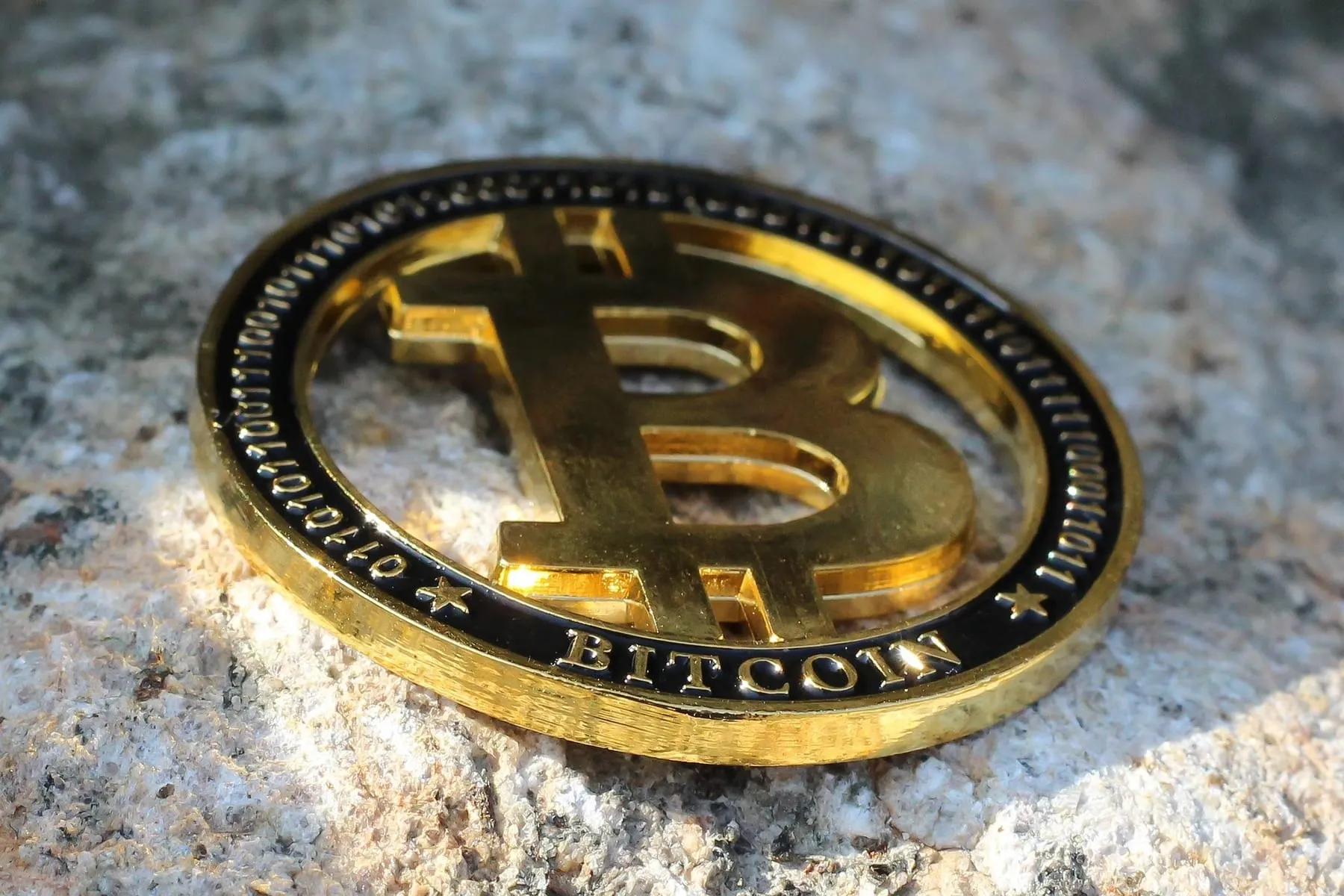
Why kiosks cluster in Cicero
Cicero occupies a little over five square miles immediately west of Chicago, holds around 85,000 residents, and carries a crypto kiosk concentration per resident that comfortably exceeds far wealthier and far larger suburbs. Understanding why is the most useful thing on this page.
Kiosk networks are not sited by population or by interest in digital assets. They are sited where three conditions coincide: a substantial cash economy, a high share of residents without a bank account, and dense small-format retail willing to host a machine. Cicero has all three. The town is roughly 90% Hispanic or Latino, with a significant unbanked and underbanked population, a large cross-border remittance flow, and a commercial landscape along Cermak Road, 22nd Street, Cicero Avenue and Ogden Avenue built from exactly the convenience stores, currency exchanges and small groceries that host these machines.
The result is a market where the most expensive way to buy crypto is also the most visible and the most convenient. That is the opposite of how markets are supposed to work, and it is why Illinois legislated a fee ceiling in the first place.
What a Cicero kiosk actually costs
Since August 2025, Illinois has capped kiosk charges at the greater of $5 or 18% of the transaction, with daily limits of $2,500 for new customers and $10,500 once established. Operators must show fees before you confirm, screen destination wallets, staff live support during operating hours, and register locations with IDFPR.
Here is what the ceiling means in practice on amounts people actually use.
What 18% takes
| You insert | Maximum legal fee | You could receive as little as |
|---|---|---|
| $100 | $18 | $82 of crypto |
| $300 | $54 | $246 of crypto |
| $500 | $90 | $410 of crypto |
| $2,500 (daily cap) | $450 | $2,050 of crypto |
The statutory maximum. Most machines charge less, and the exchange rate offered is a separate cost on top — always read both figures on the disclosure screen.
For comparison, the same $500 through a licensed exchange funded by bank transfer costs a few dollars.
The cheaper alternatives, in plain terms
Coinstar and Coinme. The green coin machines inside grocery stores accept cash for crypto purchases. Insert notes, take the printed voucher, redeem it in the Coinme app. Limits commonly reach $5,000 a day. Some partner retailers also let you hand cash to a cashier and receive crypto in about fifteen minutes. Cheaper than a kiosk, no bank account required.
A prepaid debit card. Many exchanges accept reloadable prepaid cards. If you already load one at a retailer, the cost of loading it plus an exchange purchase is usually well under an 18% kiosk fee. Worth testing before assuming a machine is your only option.
A bank account, if you can open one. Several banks and credit unions serving Cook County offer accounts that do not require a Social Security number, accepting an ITIN or consular identification instead. That is a longer conversation than this page can hold, but it is the single change that most reduces the cost of everything else — not just crypto.
Worth knowing
Kiosks are legal, registered and regulated. They are not a scam. They are simply the most expensive route, and using one should be a considered choice — not the default because it is the machine you walk past.
Crypto and sending money home
Cicero has one of the heaviest remittance flows in Illinois, and crypto is regularly presented as the cheap alternative. The mathematics are more specific than the pitch.
The transfer is cheap. Moving a dollar-pegged stablecoin between wallets costs cents and takes minutes, with no exchange-rate risk in transit.
The ends are expensive. Buying with cash at an Illinois kiosk costs up to 18% by statute. Converting stablecoins back to pesos at the destination costs again — often several percent through a local exchange, more through informal channels. Do both and you have exceeded what a conventional remittance service charges, with more steps and no consumer protection.
When it works. If you buy through a bank-funded exchange account and the recipient already holds a wallet or an account at a reputable exchange in the destination country, the whole trip can be materially cheaper than a wire. That configuration requires setup at both ends, but it only has to be done once.
The most common fraud in this community
A caller or message claims a relative has been detained, hospitalised or arrested and needs money immediately, with instructions to use a specific crypto kiosk. It is fraud, every time. Hang up and reach the person on a number you already had. Illinois residents lost over $20 million through kiosks in 2025, and this script accounts for a substantial share of it.
What Illinois law gives you
Illinois has the strongest kiosk consumer protections in the Midwest, and they apply in Cicero exactly as they apply anywhere else.
- A fee ceiling. No kiosk may charge more than the greater of $5 or 18%. A machine quoting more is in violation.
- Disclosure before you confirm. Fees and terms must be displayed. If the screen does not show them, walk away.
- Refund rights for fraud victims. A new customer can recover up to three fraudulent transactions from their first week or first three uses — notify within 30 days, police report within 60.
- Live support. Operators must provide human customer service during kiosk operating hours.
- Wallet screening. Operators must run blockchain analytics and block transfers to flagged addresses.
Report a non-compliant machine to the Illinois Department of Financial and Professional Regulation, which maintains the operator register. File fraud reports with the Cicero Police Department and with the FBI's IC3. Our Kiosk Act guide explains each provision.
Opening a bank account is the real answer
Everything expensive on this page exists because of one gap, and it is worth addressing directly.
Several banks and credit unions serving Cook County open accounts without requiring a Social Security number, accepting an Individual Taxpayer Identification Number or consular identification instead. Community development financial institutions and credit unions in the western suburbs have been among the more accommodating, and some offer products designed specifically for people who have previously been unbanked.
What that changes:
- Crypto costs fall from up to 18% to under 1%. On $300 a month that is roughly $600 a year.
- Cheque cashing fees disappear — usually the larger saving.
- Money order costs disappear for rent and utility payments.
- Remittances get materially cheaper, because the expensive part was always the cash on-ramp.
- You gain a documented financial history, which matters for credit, tenancy, and explaining a deposit if you ever sell a meaningful amount.
This is a crypto site, so it is worth being honest: that is the highest-value recommendation on this page and most of its benefit has nothing to do with digital assets at all.
Cicero crypto questions
Why are there so many bitcoin ATMs in Cicero?
Because kiosk networks site machines where a cash economy, a high unbanked share and dense small-format retail coincide — and Cicero has all three. The town has a substantial population without bank accounts, a heavy remittance flow, and commercial corridors along Cermak Road, 22nd Street and Cicero Avenue full of convenience stores and currency exchanges willing to host machines. Density here reflects profitability for operators, not value for buyers.
How much do crypto ATMs in Cicero charge?
Illinois caps kiosk charges at the greater of $5 or 18% of the transaction value. On $500 that is up to $90 in fees, before the exchange rate spread is counted separately. Most machines charge somewhat less than the ceiling, but Cicero machines tend to sit toward the higher end. The disclosure screen must show both the fee and the rate before you confirm.
Can I buy crypto in Cicero without a bank account?
Yes. Coinme through the green Coinstar machines in local grocery stores takes cash and requires no bank account, and is meaningfully cheaper than a crypto kiosk. Many exchanges also accept reloadable prepaid debit cards, which is often cheaper still. Identification is required either way — all licensed operators must meet federal Bank Secrecy Act obligations.
Is crypto a good way to send money to Mexico from Cicero?
Only if both ends avoid cash conversion. The transfer itself is cheap and fast with stablecoins. But buying with cash at a kiosk costs up to 18% and converting back to pesos costs again, which together usually exceeds a conventional remittance service. It works when you buy through a bank-funded exchange account and the recipient already has a wallet or a local exchange account.
Related Illinois guides