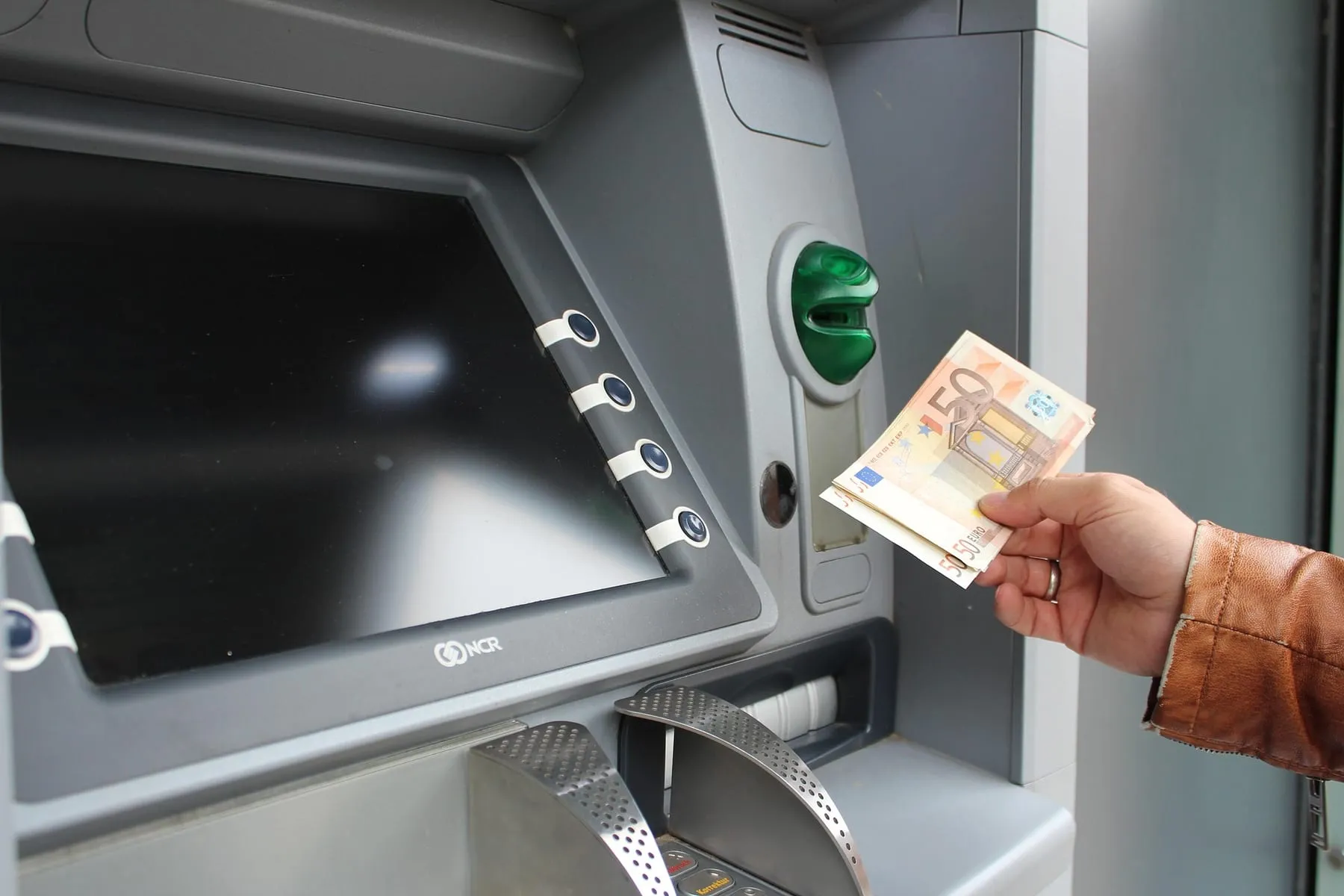
Every significant operator, by Illinois machine count
Illinois carries roughly 1,008 crypto kiosks across around 319 municipalities, operated by about 22 companies. Ten of them account for the large majority.
Kiosk operators in Illinois — machine counts and origins
| Operator | Machines in IL | Base |
|---|---|---|
| CoinFlip | 223 | Chicago, Illinois |
| Athena Bitcoin | 193 | Chicago / Miami |
| RockItCoin | 156 | Chicago, Illinois |
| Coinhub | 125 | Arizona |
| Bitstop | 85 | Miami, Florida |
| Byte Federal | 61 | Venice, Florida |
| GetCoins | 40 | Illinois |
| Unbank | 33 | Minnesota |
| Coin Time | 28 | California |
| Digital Cash 2 Go | 22 | Illinois |
Counts reflect the most recent statewide survey data available in 2026 and move constantly as machines are installed and decommissioned. Links go directly to each operator.
Published rates compared
This is the section worth reading carefully, because the spread between networks on an identical transaction is much larger than most people assume.
Published buy and sell rates, where operators disclose them
| Operator | Buy | Sell | Notes |
|---|---|---|---|
| CoinFlip | Around 8.99% | Around 4.99% | Among the lower published rates in the sector |
| Athena Bitcoin | Cited 10%–25% | Around 5% | Wide range depending on location |
| RockItCoin | Around 18.7% + $1 | Around 16.3% + $1 | Illinois caps the total at the greater of $5 or 18% |
| Others | Roughly 10%–18% | Typically lower than buy | Chicago-area rates commonly quoted 10%–23% before the cap took effect |
Rates are as published by operators and third-party surveys during 2026, and vary machine to machine even within one network. Illinois law caps any charge at the greater of $5 or 18% of the transaction value, so figures above that ceiling cannot lawfully be applied in this state.
Two things we have learned tracking these numbers. First, the spread between the cheapest and dearest network on an identical Illinois transaction has consistently run to double digits in percentage terms — which means the operator name on the housing is worth more attention than the walk to the machine. Second, the exchange rate a kiosk quotes is a separate cost from its stated fee, and it is where the variation between machines within a single network mostly lives. Read both numbers.
The Chicago connection
Two of the three largest kiosk operators in Illinois are headquartered in Chicago, which is a genuinely unusual concentration and part of why the state's coverage is as dense as it is.
CoinFlip runs the largest network in the state at around 223 machines and operates nationally from a Chicago base. It publishes buy and sell rates, which not every operator does.
RockItCoin is also Chicago-headquartered, with around 156 machines in Illinois and a national fleet in the low thousands. It operates a large number of two-way machines that both sell and buy back.
This is not a coincidence. Chicago's trading infrastructure — the CME Group's regulated bitcoin futures since 2017, Cumberland's market-making operation inside DRW since 2014, Jump Crypto — created a local pool of people who understood both the technology and the compliance. The kiosk networks grew out of the same soil. Our Chicago crypto scene guide covers that history.
The Bitcoin Depot collapse, and what it teaches
Until May 2026, Bitcoin Depot was the largest crypto kiosk operator in the United States and the single largest presence in Chicago, with more than fifty machines in the city.
On 18 May 2026 the Atlanta-based company filed for Chapter 11 bankruptcy and deactivated its entire fleet of roughly 9,000 machines across 47 states. The circumstances were cumulative rather than sudden:
- Revenue fell nearly 49% year over year.
- A $12.2 million profit became a $9.5 million loss.
- Connecticut suspended its money transmission licence, prompting a leadership change in March 2026.
- Hackers breached its IT systems and stole $3.7 million from company wallets in April 2026.
- The stock fell roughly 80% on the bankruptcy announcement.
The company publicly blamed regulatory pressure, singling out California's $1,000 daily kiosk cap.
Two practical lessons
First, kiosk directories lag reality badly. Listings still show Bitcoin Depot machines in Illinois that have not worked since May 2026. Verify before travelling. Second, this is a genuinely volatile industry — do not leave a balance sitting in any kiosk operator's app. Withdraw crypto to a wallet you control as soon as a purchase settles.
Choosing between operators
If you have decided a kiosk is the right route for a particular transaction, four things separate a good choice from a bad one.
What Illinois requires of every operator
Since August 2025, the Digital Asset Kiosk Act binds every kiosk operating in the state, regardless of who runs it or where they are based.
- Register with IDFPR and report the physical location of every machine.
- Meet surety bond and tangible net worth requirements.
- Cap charges at the greater of $5 or 18% of the transaction value.
- Enforce daily limits of $2,500 for new customers and $10,500 for established ones.
- Display fees and terms before each transaction is confirmed.
- Maintain written anti-fraud policies and run blockchain analytics against flagged wallets.
- Provide live customer service during kiosk operating hours.
- Designate a compliance officer and a consumer protection officer.
- Refund defrauded new customers on up to three transactions from their first week or first three uses.
A machine that does not comply — quoting above the cap, failing to disclose, or refusing to engage with a refund claim — can be reported to the Illinois Department of Financial and Professional Regulation, which maintains the operator register and holds enforcement authority. Our Kiosk Act guide covers each provision.
Questions Illinois readers actually ask
Which crypto ATM operator is cheapest in Illinois?
Published rates put CoinFlip toward the lower end of the range, at around 8.99% to buy and 4.99% to sell, while RockItCoin has published figures closer to 18.7% plus $1 to buy and 16.3% plus $1 to sell. Athena has been cited between 10% and 25% to buy and around 5% to sell. All are bounded by the Illinois cap of the greater of $5 or 18%. Rates vary by machine within a network, so always read the disclosure screen.
Who are the biggest bitcoin ATM operators in Illinois?
By machine count: CoinFlip with around 223, Athena Bitcoin with 193, RockItCoin with 156, Coinhub with 125 and Bitstop with 85. CoinFlip and RockItCoin are both headquartered in Chicago. Illinois has roughly 1,008 machines in total across about 22 operators and 319 municipalities.
What happened to Bitcoin Depot in Illinois?
Bitcoin Depot filed for Chapter 11 bankruptcy on 18 May 2026 and deactivated its entire national fleet of roughly 9,000 machines across 47 states. It had been the single largest presence in Chicago with more than fifty locations. Revenue had fallen nearly 49% year over year, a $12.2 million profit had become a $9.5 million loss, and the company had suffered a $3.7 million wallet breach in April 2026. Any listing still showing Bitcoin Depot machines is stale.
Are crypto ATM operators licensed in Illinois?
They must register with the Illinois Department of Financial and Professional Regulation under the Digital Asset Kiosk Act, report the physical location of every machine, meet surety bond and tangible net worth requirements, and designate both a compliance officer and a consumer protection officer. Federally they must also be registered with FinCEN as money services businesses.
Which operators have two-way machines that let me sell?
RockItCoin, CoinFlip, Athena and several others operate two-way machines at a subset of their locations, though not every machine supports selling. Sell rates are typically better than buy rates but still poor, and the Illinois daily caps of $2,500 for new customers and $10,500 for established ones apply in both directions.
Keep reading