The Elmhurst picture
Elmhurst sits on the eastern edge of DuPage County, twenty minutes from Union Station on the Metra UP-W line and immediately west of O'Hare's southern approach. It is a settled commuter city with a walkable downtown, Elmhurst University at its centre, and a population that skews professional and comfortably banked.
Kiosk presence is light and lightly used. Almost everyone here who buys digital assets does so through an exchange, and the questions we get from Elmhurst are less about acquisition and more about the other end: how to actually use the stuff.
That is a fair question and an under-served one. Most crypto content stops at "and then you own some". This page carries on.
Buying properly
The mechanics are the same as anywhere in Illinois, with three details that matter at Elmhurst-typical amounts.
Verify the licence. Under the Digital Assets and Consumer Protection Act, firms handling digital assets for Illinois customers must be IDFPR-licensed by 1 July 2027, with penalties reaching $100,000 a day for unlicensed activity. Search the company on NMLS Consumer Access before funding — under two minutes, and more informative than any homepage claim.
Use the professional interface. Every major exchange runs a simple buy button priced for convenience and a real order book priced for volume, on the same account. The difference is not trivial at four figures.
Fund by ACH, buy with a limit order. Under 1% all-in. A debit card settles instantly for a premium — reasonable for a first purchase, poor as a habit.
See our exchange comparison for the venues open to Illinois residents and what each is genuinely good at.
Spending without selling
Very few Illinois merchants accept crypto directly. What exists instead is a conversion layer, and it is better than most people realise.
Gift cards. Marketplaces such as Bitrefill, Coinsbee and CoinGate convert crypto into retail gift card credit in under a minute — Amazon, Walmart, Target, fuel brands, restaurants, streaming services. Bitrefill carries over 5,000 products across 170-plus countries and pays 1% back in bitcoin on all purchases, with select brands returning up to 10%. Delivery is typically instant by email or in-app code. No account is needed at some providers.
Rebate programmes. Fold pays between 1% and 20% back in sats depending on the merchant, and The Bitcoin Company advertises up to 25% cashback on some brands. Those numbers are promotional and vary constantly, but on a grocery or fuel card the effective discount can genuinely offset the spread you paid to acquire the crypto.
Payment processors at merchants. A small number of Illinois businesses accept crypto directly through a processor that settles to dollars. It is growing slowly and unevenly.
Our gift card hub covers every card available and what each provider charges.
Crypto debit cards, honestly
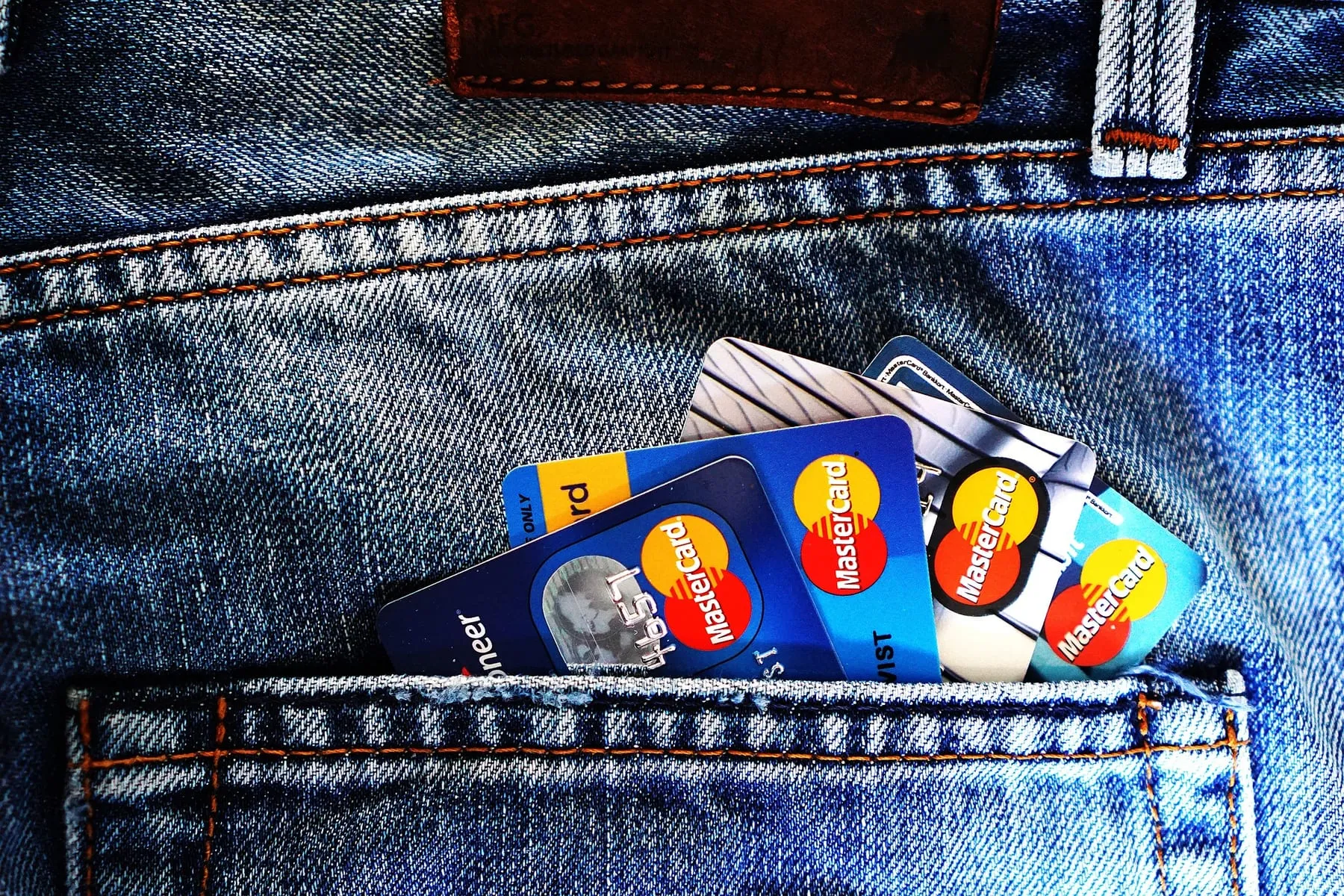
Several platforms issue prepaid Visa or Mastercard products that draw on a crypto balance. They work, and they are worth understanding before you assume they are the obvious answer.
For most people, gift cards are the cleaner route: one disposal, one record, and often a rebate rather than a spread.
The tax consequences of spending
This is the part that surprises people, so it is worth stating plainly.
Spending crypto is a disposal. The IRS treats digital assets as property. Buying a $50 gift card with bitcoin is a sale of $50 of bitcoin, producing a capital gain or loss measured against what you paid for it. Illinois then taxes that gain through your ordinary state return.
Small transactions still count. There is no de minimis exemption for personal crypto spending under current federal law. A year of coffee purchases through a crypto card is a year of small taxable events.
The 2027 Illinois tax is separate. From 1 January 2027 the Digital Asset Tax Act adds 0.2% of asset value on broker exchanges, transfers and custody, charged regardless of profit and shown as a separate line item. It is a transaction charge, not a substitute for capital gains tax.
Practical conclusion: fewer, larger disposals are much easier to account for than many small ones. Buy a larger gift card less often rather than tapping a crypto card daily. Our filing guide covers the records to keep.
A five-minute Elmhurst checklist
Everything on this page reduced to what you would actually do on a Saturday morning.
- Pick a venue and check its licence. Search the legal entity on NMLS Consumer Access. Illinois requires IDFPR licensing of digital asset firms by 1 July 2027, with penalties reaching $100,000 a day for unlicensed activity.
- Verify your identity and turn on app-based two-factor authentication. Not SMS — SIM-swap attacks are how ordinary accounts get emptied.
- Link your bank by ACH and send a small test transfer. Some banks hold a first crypto-related debit for review; a phone call clears it.
- Find the professional interface rather than the simple buy button. Same account, materially lower cost.
- Place a limit order for an amount whose total loss would change nothing you have already decided.
- Decide what it is for. If the answer is spending, plan the conversion route now — one larger gift card periodically rather than a crypto card tapped daily.
- Export your transaction history before you forget the account exists. Once a year, every year.
That is the whole process. The Elmhurst-specific part is only the last two steps, and they are the ones most guides never mention.
Elmhurst crypto questions
Can I spend crypto at Elmhurst businesses?
Directly, at very few. The practical route is conversion: gift card marketplaces such as Bitrefill, Coinsbee and CoinGate turn crypto into retail credit in under a minute for Amazon, Walmart, Target, fuel brands and restaurants, often with a rebate paid back in bitcoin. Bitrefill pays 1% back on all purchases with select brands up to 10%. See our gift card hub.
Are crypto debit cards worth it?
For occasional use, they work fine. For everyday spending they are a poor fit — every purchase sells crypto at a conversion spread and creates a separate taxable disposal, so a year of daily coffees becomes a year of small capital gains calculations. Rewards are often paid in the issuer’s own token and conditional on holding a locked balance, and those terms have been repriced across the sector more than once.
Do I owe tax when I spend crypto on a gift card?
Yes. The IRS treats digital assets as property, so buying a $50 gift card with bitcoin is a disposal of $50 of bitcoin, producing a capital gain or loss against your cost basis. Illinois taxes the gain through your ordinary state return. There is no de minimis exemption for small personal spending under current federal law, which is why fewer larger disposals are far easier to account for than many small ones.
Where do Elmhurst residents buy crypto?
Almost entirely through online exchanges. Kiosk presence in the city is light and lightly used, because banking penetration is near-universal and an exchange purchase costs under 1% against a kiosk ceiling of 18%. Before funding any account, check the venue on NMLS Consumer Access — Illinois requires IDFPR licensing of digital asset firms by 1 July 2027.
Related Illinois guides